By Jinhao Wang
Author Bio: Chief Structural Engineer & Technical Director with 18 years of comprehensive R&D and delivery experience in prefabricated modular construction. As a Licensed Structural Engineer and holder of 8 utility patents for expandable container structures, I have successfully led more than 300 diversified modular projects worldwide. My project portfolio covers urban temporary construction facilities, commercial modular buildings, and remote industrial field camps. For this article, I draw on my practical experience in oil and gas field projects to elaborate on targeted fireproof design logic for oil rig worker container dormitories.
1. Introduction
Based on my long-term on-site practice and technical research, oil rig container dormitories face unique fire and explosion risks that differ greatly from ordinary modular buildings. Flammable gas accumulation, persistent high humidity, and extremely narrow well-site operating space create continuous ignition hazards, making professional, systematic fireproof design the core priority of oil rig accommodation design. For this reason, many oil and gas operators choose customized 20ft fireproof accommodation for oil rig workers to meet strict on-site HSE management standards.
In daily technical communication, I often receive a universal industry question from global procurement and HSE teams:What safety standards apply to mining worker camp buildings? Although this question covers general industrial temporary buildings, it reflects the industry's unified emphasis on field camp fire safety. For high-risk oil rig working environments, simple fire-resistant materials cannot meet safety demands. Only complete certified structural, electrical, and ventilation systems can effectively avoid fire and explosion accidents caused by flammable gas leakage.
2. Practical Fire Safety Case: 2023 Puguang High-Sulfur Oilfield Container Camp
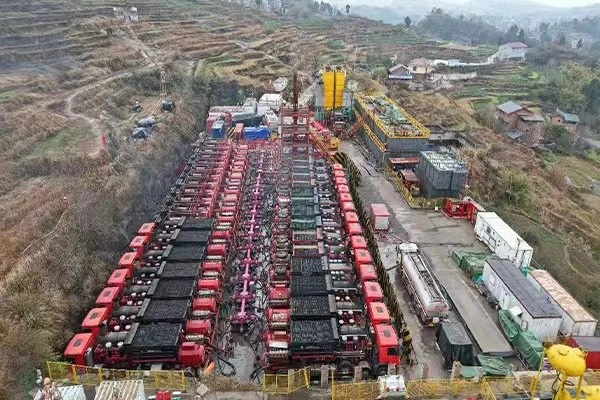
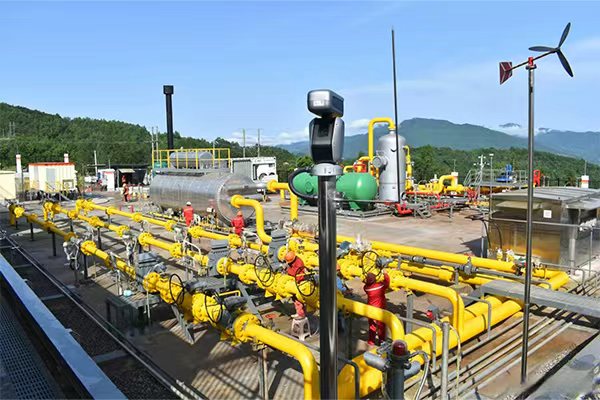
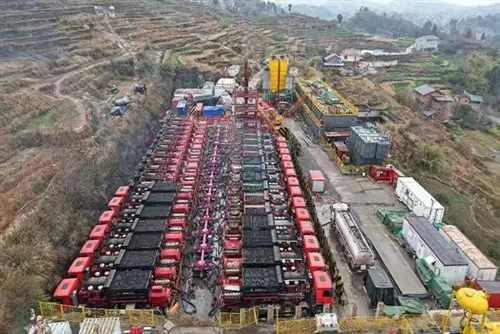
To intuitively explain the systematic fireproof design logic for oil rig container dormitories, I take our 2023 Puguang Gas Field project of Zhongyuan Oilfield as a real engineering reference. Located in mountainous terrain, this high-sulfur oilfield well site faces persistent hydrogen sulfide leakage risks and extremely strict on-site construction restrictions.
Project Fire-Safety Related Parameters
Scale: 22 sets of customized fireproof and explosion-proof modular container units
Total area: 594㎡, providing living and office support for 48 on-site staff
Functional layout: staff dormitories, on-site duty rooms, and tool storage areas
Site constraints: effective construction width less than 8 meters, year-round damp and foggy mountain climate, full prohibition of on-site hot work, and 24-hour uninterrupted drilling operation
During the construction phase, the site triggered a real hydrogen sulfide over-limit alarm. I immediately commanded the on-site team to suspend all operations and evacuate all personnel to the safe upwind area. This actual emergency verified a key point I have always emphasized: qualified fireproof hardware is fundamental, but systematic matching design and complete emergency response mechanisms are essential to ensure overall on-site fire safety for oil rig container dormitories.
3. Systematic Fireproof & Explosion-Proof Core Design
In my years of industry service, I have found a common cognitive deviation: many clients believe that simply adopting fire-rated wall panels can meet the fire protection needs of oilfield container dormitories. However, complex oil rig hazard scenarios require multi-dimensional, system-level fireproof design rather than single material upgrading.
3.1 Weld-Free Bolted Assembly Eliminates Construction Ignition Sources
All wall and roof components of the container dormitories adopt factory prefabricated flame-retardant modules. I formulated a full bolted assembly process for on-site construction, completely eliminating on-site welding and open-flame operations. This construction method fundamentally avoids spark ignition risks and fully complies with the strict hot-work prohibition regulations of oil and gas well sites.
3.2 Explosion-Proof Electrical System Prevents Electrical Ignition Hazards
My team configured full explosion-proof switches, distribution boxes and closed-loop wiring systems for all container units. All circuits are laid inside sealed galvanized steel conduits to prevent circuit exposure. This configuration effectively avoids electric sparks caused by circuit damage or leakage, eliminating the risk of igniting flammable gas in the oilfield working environment.
3.3 Integrated Grounding System Eliminates Static Hidden Dangers
I designed a full-coverage continuous lightning protection and anti-static grounding network for the entire camp. All steel frames of container dormitories are stably connected to the integral grounding system to eliminate static charge accumulation. This design solves the hidden fire hazard of static ignition that easily occurs in closed, high-sulfur oilfield environments.
3.4 Independent Forced Ventilation Stabilizes On-Site Fire Safety
Each 20ft fireproof accommodation for oil rig workers unit is equipped with professional forced ventilation equipment. The system can continuously discharge flammable gas accumulated indoors and reduce internal condensation caused by humid mountain climate. It effectively prevents electrical component failure and corrosion damp-induced short circuits, cutting off indirect fire triggers in advance.
4. Global Authoritative Fire Safety Certification Standards
When answering the industry's common question What safety standards apply to mining worker camp buildings?, I always stress that vague fireproof labels cannot support international project compliance. Oilfield container dormitories used in high-risk environments must pass standardized quantitative fire tests to meet global tender requirements:
ASTM E84 (North America & Global Oilfield Projects): Flame Spread Index ≤ 25, Smoke Developed Index ≤ 450
EN 13501-1 (EU, Middle East & Africa Oil & Gas Projects):A1/A2 non-combustible certification for building envelopes and structural components. Key 2026 compliance update: The revised standard released on July 12, 2026, has been officially implemented for H2 2026 overseas oilfield tenders. I recommend all specifiers confirm test reports adopt this latest version to avoid compliance risks.
GB 8624-2012 (China Onshore Oilfield Projects):Grade A non-combustible performance certification
On the basis of standardized material certification, supporting safety management is also required, including reasonable safe distance from hazardous wellhead areas, real-time gas monitoring equipment, and standardized fire evacuation routes.
5. Targeted Structural Optimization for Oilfield Harsh Environments
Accumulated from long-term modular R&D and project delivery experience, a series of structural optimizations can significantly stabilize the fire safety performance of container dormitories under harsh oilfield conditions. Upgraded concealed splicing structures prevent rain and fog penetration that may damage internal fireproof layers. Weld-free quick-lock structures adapt to oilfield no-hot-work rules while ensuring assembly stability. Hot-dip galvanized steel frames resist long-term environmental corrosion and maintain consistent fireproof structural performance.
I adhere to full-process quality control to guarantee final fire safety effects, including pre-delivery fire performance inspection, professional moisture-proof packaging for cross-region transportation, and complete electrical and ventilation system debugging after on-site installation. The Puguang oilfield camp was completed in 11 days with zero safety incidents and no impact on ongoing drilling operations, fully proving the practicability and reliability of systematic fireproof design for oil rig container dormitories.
6. FAQ
Q1: Can fire-rated wall panels alone meet the fire protection requirements of high-sulfur oil rig dormitories?
A1: Based on my on-site experience, no. Single fire-resistant materials cannot resist the complex superimposed hazards of flammable gas, humidity and static electricity in oilfields. Qualified fire safety relies on the coordinated operation of explosion-proof electrical systems, anti-static grounding, forced ventilation and complete emergency mechanisms.
Q2: What is the latest mandatory fire standard for overseas oilfield project tenders?
A2: Standards are divided by regional projects. North American and global oilfield projects prioritize ASTM E84 certification. European, Middle Eastern and African oil and gas projects have officially taken the EN 13501-1:2026-07-12 updated version as the mandatory HSE inspection standard. Project owners require complete official test reports rather than generalized fireproof descriptions.
Q3: What are the targeted advantages of modular container dormitories for oil rig fire safety?
A3: Modular dormitories support factory integrated fireproof customization and zero-flame on-site assembly, which perfectly adapts to oilfield hot-work prohibition rules. With standardized international fire certification and systematic hazard prevention design, they can stably cope with high-risk oil rig operating environments.
7. CTA
If you are sourcing standard-compliant 20ft fireproof accommodation for oil rig workers for high-risk oil and gas projects, feel free to contact me. I can provide complete fire standard comparison documents (including the latest EN 13501-1:2026 revision guidelines), authoritative fire test reports, real oilfield fire safety case data and personalized fireproof design solutions to support your HSE review and project bidding.