By Jinhao Wang | Chief Structural Engineer & Technical Director
With 18 years of specialized R&D and engineering delivery experience in prefabricated modular construction, I have delivered over 300 full-cycle projects covering urban temporary buildings, commercial modular facilities, and remote-site camps for global mining and energy operations. This diverse project background has equipped me with comprehensive modular design and site-deployment capabilities. Building on this foundation, I focus on solving practical challenges in harsh mining environments, developing site-optimized weather-resistant modular worker housing for extreme mining terrain and code-compliant insulated mining camp. In 2023, I led the on-site modular assembly of a mountain mining camp in Guizhou's karst region. The firsthand field experience gained from this self-executed project guides my targeted technical optimization and parameter calibration, ensuring modular housing fully adapts to the unique high-altitude, high-wind, seismic, and intense UV working conditions of South American Andean highland mines.
Environmental Differences Between Guizhou Karst Terrain and Andean Highland Mining Sites
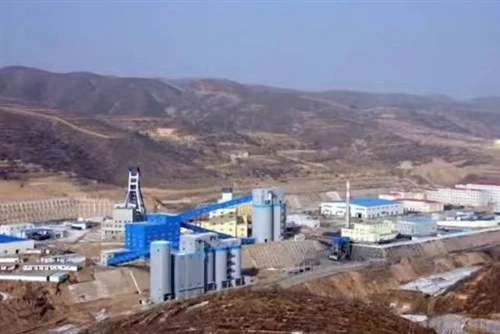
Weather resistance defines the overall safety and long-term service life of modular worker housing deployed for South American highland mining operations. Modular solutions designed for conventional mountain environments require targeted technical optimization to withstand the extreme climatic and geological features of Andean high-altitude mining zones. While my 2023 Guizhou project shares partial site similarities with South American mine locations - including karst rocky terrain, narrow mountain access roads, and humid rainy seasons - distinct environmental differences necessitate differentiated weather-resistant design configurations.
The Guizhou mining camp sits at an elevation of 1100–1600 m, with an extreme low temperature of -5°C, annual rainfall of 1350 mm, average wind speed of 1.9 m/s, minimal seismic activity, and moderate ultraviolet radiation. In contrast, most operational Andean highland mining areas are located at 3500–4500 m above sea level, featuring drastic diurnal temperature swings, freezing nighttime temperatures, persistent strong alpine winds, intense high-altitude UV radiation, and frequent seismic activity. These rigorous comprehensive conditions require upgraded performance in wind resistance, structural seismic stability, thermal insulation, and UV aging resistance for modular mining housing.
Field-Verified Weather-Resistant Design Experience From My 2023 Guizhou Mining Project

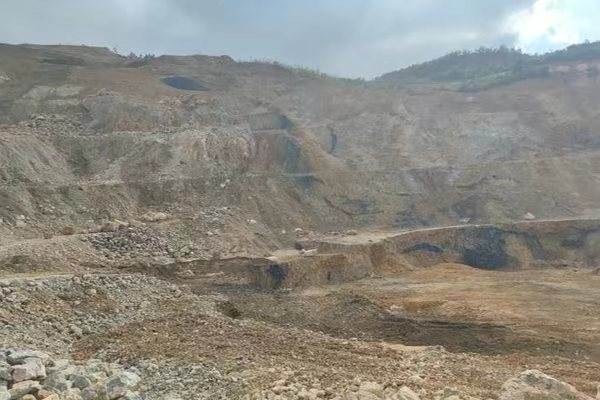
In 2023, I led the on-site assembly of 26 sets of lightweight detachable modular units for a mountain gold mine exploration camp in Guizhou. Covering 702 square meters, the modular facility integrated complete dormitory, office, storage, and on-site amenity areas to accommodate 64 on-site mining and technical staff. All terrain adaptation and weather-resistant optimization measures implemented in this project were developed to resolve actual on-site construction challenges, providing reliable, field-proven references for high-performance modular housing design tailored to South American highland mine scenarios.
Constrained by local 2.8-meter narrow cliffside mountain roads, fully pre-assembled modular units could not be delivered to the site. I adopted full factory component disassembly and segmented transportation, delivering disassembled parts to mountain foothills via small vehicles before conducting secondary off-road transportation to the construction zone. To address unstable karst strata and underground voids common in mountainous regions, I specified independent small concrete pier foundations instead of traditional integral concrete slabs. This approach significantly reduced earthwork volume, eliminated potential foundation settlement and structural cracking risks, and delivered excellent adaptability to the fragmented mountain terrain typical of high-altitude mining sites.
To withstand year-round mountain humidity and sudden seasonal rainstorms, I implemented double-layer butyl rubber sealing for all panel and frame joints to enhance comprehensive waterproof and moisture-proof performance. Suited for the intense high-altitude UV radiation of South American mining zones, UV-stabilized sealing materials and professional weather-resistant exterior coating systems are applied to sustain long-term structural integrity and surface durability under continuous ultraviolet exposure. All components are placed on elevated supports and covered with breathable protective tarps for standardized moisture and corrosion protection, while temporary drainage ditches are arranged to mitigate flash flood hazards. The bolted, weld-free assembly structure supports repeated disassembly, relocation, and reuse, perfectly matching the flexible deployment cycles of mine exploration operations.
Global and Local Compliance Standards for Highland Mining Modular Camps
High-quality weather-resistant modular mining housing relies on standardized systematic engineering design rather than empirical construction practices. All customized highland camp solutions strictly comply with internationally recognized industry standards, including ISO 1496-1 for modular structural load performance, ASTM E119 for building fire resistance, and ISO 9001 for full-process quality management. Meanwhile, all designs fully align with South American local mining safety regulations, covering Chile NCh433 seismic design specifications, Argentina mine occupational safety standards, and Brazil NR-24 worker accommodation codes. Dual-standard compliance ensures all customized modular camps fully meet local weather resistance, structural stability, and operational safety requirements for highland mining projects.
Optimized Insulation Configuration for High-Altitude Mining Housing
In ongoing technical communications with global mining and energy clients, a practical industry question frequently arises regarding remote workforce accommodation: What insulation level is required for remote-site mining worker housing?
No universal insulation specification suits all extreme terrains, as insulation configurations need dynamic adjustment based on site altitude, temperature fluctuation, precipitation, and ambient humidity. For Andean highland mines characterized by freezing nights and extreme thermal differences, single-layer insulation cannot fully block cold air infiltration or eliminate indoor condensation risks. I adopt a three-dimensional integrated weather-resistant insulation system: high-efficiency wall and roof insulation panels isolate external low-temperature air, while full-coverage floor damp-proof layers prevent ground moisture backflow. Combined with hot-dip galvanized anti-corrosion steel frames and multi-channel sealing reinforcement, the housing maintains stable indoor temperatures and dry living conditions throughout long-term high-altitude operation.
FAQ
Q1: Can conventional mountain modular camp designs be directly applied to Andean highland mining projects?
A: Direct application is not feasible. Conventional mountain modular designs are optimized for general terrain and climate conditions. While terrain adaptation and lightweight foundation design experience can serve as valid references, seismic performance parameters, wind load capacity, low-temperature insulation grades, and local compliance standards require targeted engineering calibration for Andean high-altitude extreme environments.
Q2: What is the most easily overlooked factor affecting high-altitude modular housing service life?
A: Indoor condensation and ground moisture accumulation. General modular designs prioritize wall insulation for conventional climates, while high-altitude mining scenarios require enhanced floor damp-proof treatment and comprehensive envelope sealing to sustain long-term structural durability.
Q3: Are bolted modular structures suitable for windy and seismic-active South American highland mines?
A: Yes. Bolted modular systems feature flexible deployment and stable structural performance ideal for remote mining sites. To meet local high-altitude safety criteria, professional wind load and seismic engineering calculations are conducted based on actual site parameters to optimize frame connections, anchoring systems, and bracing structures for full local code compliance.
Conclusion & Call to Action
South American highland mining environments feature unique extreme weather and geological characteristics, imposing strict requirements on the weather resistance and structural reliability of temporary worker housing. The practical field experience accumulated from my Guizhou mountain modular project provides solid technical references for highland mine housing design. Targeted upgrades in UV-resistant materials, wind and seismic parameter calibration, and climate-adaptive insulation systems enable modular structures to fully adapt to Andean high-altitude environmental conditions and local mining regulatory standards.
If you need code-compliant, durable weather-resistant modular worker housing for extreme mining terrain for your South American highland mining project, feel free to contact me. I provide site-specific technical customization, specification optimization, and full compliance verification to deliver reliable, high-performance insulated mining camp for South America highland mine.