By Jinhao Wang, Chief Structural Engineer & Technical Director
Introduction
With 18 years of professional R&D and on-site delivery experience in prefabricated modular construction, I have completed over 300 modular accommodation projects throughout my career. Our project portfolio covers urban temporary facilities, commercial modular buildings, construction site amenities, remote-area worker camps, and industrial modular solutions serving global markets. This article presents practical technical optimisations and field-verified case references for modular mining camp for Australia western mine site. In remote mining development scenarios, theoretical design alone cannot fully address complex environmental constraints, logistical limitations and local regulatory requirements. Customised engineering solutions are essential to adapt to Western Australia's extreme desert climate, road transport policies and national building compliance frameworks.
Our 2024 modular mine camp project in Altay, Xinjiang provides reliable technical references for remote-area modular construction. Developed for alpine freeze-thaw permafrost environments, this cold-climate project accumulates abundant practical experience in extreme-condition construction and off-grid operation. To apply these proven techniques to Western Australian projects, targeted technical adaptation and performance optimisation are required to match local desert characteristics.
Field Experience Gained from High-Altitude Extreme Environment Project
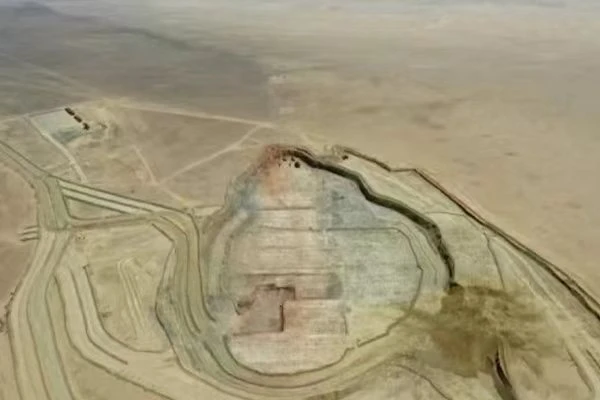
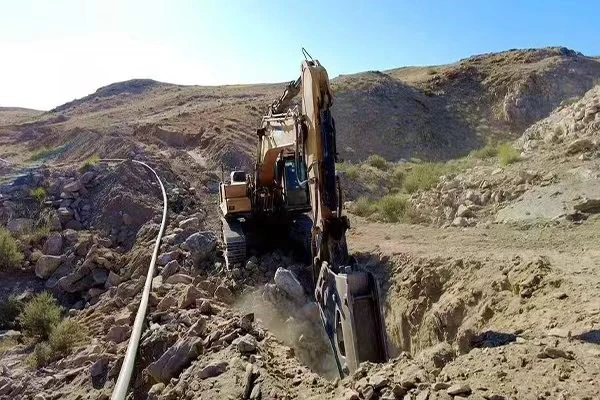
Completed in June 2024, the Altay gold mine modular camp project is located at an elevation of 2,100 metres. The site features extreme diurnal temperature variation, seasonal frost-heaved soil displacement, frequent Grade 8–10 valley winds and a maximum winter snow depth of 1.2 metres. The construction team completed project delivery by addressing various harsh operating challenges, including snowmelt flooding, wind-induced material exposure risks, low-temperature equipment shutdowns and foundation stability fluctuations. The project delivered 46 complete climate-adaptive modular units, providing stable year-round residential and operational support for 105 on-site mining personnel.
This project validated mature and reliable technical solutions for off-grid remote construction, high-performance enclosure sealing, foundation-independent installation and full-system pre-delivery commissioning. These systematic construction methodologies are applicable to diverse remote industrial scenarios, including temporary modular oilfield camp developments. Considering the fundamental differences in geological properties, wind load parameters, UV radiation intensity and corrosion characteristics between high-altitude cold regions and Western Australian deserts, targeted technical iteration and adaptive upgrades are required to achieve site-adaptive operational performance.
Targeted Engineering Optimisations for Western Australian Desert Mining Environments
Inland mining regions of Western Australia are characterised by typical harsh desert conditions, including summer extreme ambient temperatures exceeding 45°C, year-round high-intensity UV radiation, frequent sandstorms and cyclonic wind loads. Under such rigorous operating environments, the advantages of insulated housing for desert mining workers effectively improve site energy efficiency, indoor comfort and long-term operational stability. Tailored for Western Australian desert scenarios, our mine camp design focuses on high-temperature thermal stability, UV ageing resistance, dust-tight sealing performance and full local regulatory compliance to adapt to local operational needs.
Australian National Compliance and Certification Standards
All modular mine camps engineered and supplied for Western Australian mining operations strictly comply with NCC 2022 Class 3 remote workforce accommodation specifications, with complete engineering documentation packages available for official review and approval. Core Australian industry standards implemented in the projects are as follows:
AS/NZS 1170.2:2021: Site-specific wind load assessment for Cyclonic Region C/D, standardising structural wind resistance and anti-uplift performance to adapt to local cyclone weather conditions;
AS 1530.4: Fire resistance testing and certification for wall and roof assemblies to meet mandatory mine site fire safety specifications;
AS/NZS 3000: Factory pre-embedded electrical systems fully compliant with Australian electrical safety codes;
AS/NZS 3500: Professional plumbing and drainage design adapted to off-grid wastewater management requirements of remote mine sites.
Quantified Performance Optimisations for Desert Adaptation
Based on the mature structural system verified in high-altitude extreme environments, we have developed a series of quantifiable, performance-oriented technical upgrades for Western Australian desert working conditions, supporting professional technical evaluation and tender verification:
UV Durability Performance: Hot-dip galvanised steel framing is coated with ISO 12572 Class 5 high weather-resistant finish, achieving a stable service life of over 15 years under long-term desert UV exposure;
Thermal Insulation Performance: High-temperature optimised wall assemblies reach a thermal U-value of 0.28 W/m²·K, fully meeting NCC Section J energy efficiency standards under 45°C extreme ambient temperature;
Site Assembly Efficiency: The weld-free quick-lock structural system allows two qualified trades personnel to complete full unit assembly within 3 hours, adapting to the high-efficiency construction demands of remote mine sites;
Foundation Load Capacity: The universal foundation-free load-bearing base provides a stable bearing capacity of 60 kN/m², enabling direct placement on gravel, sandy soil and natural compacted ground without concrete pouring;
Dust Sealing Performance: High-density EPDM gaskets are installed at all panel splicing gaps to maintain long-term enclosure integrity and prevent fine desert sand infiltration during frequent sandstorms.
Western Australian Transport and Site-Specific Adaptation
In strict accordance with Main Roads WA over-dimensional transport management regulations, we optimise the external dimensions of modular units to fit local road transport envelopes, reducing unnecessary logistics and escort costs for remote mine access. The foundation-free load-bearing structure verified in high-altitude projects is retained, while all anchoring and wind-resistant fastening systems are recalculated and optimised based on local geotechnical survey data and AS/NZS 1170.2 cyclone wind load parameters. Before delivery, all modules undergo professional sand-dust cycle simulation testing to ensure stable and durable operation in extreme desert environments.
Conclusion
Modular mine camp construction for extreme environments requires scientific site-specific customisation. The high-altitude cold-region construction experience accumulated from the Altay project forms a complete technical framework for remote extreme-site modular engineering. Through full alignment with Australian local standards, desert-adapted material upgrading and targeted structural optimisation, we convert cross-climate field experience into fully compliant, stable and weather-resistant modular mining camp for Australia western mine site, which perfectly matches the full-cycle construction and operational needs of Western Australian mining enterprises and general contractors.
Next Steps
If you are conducting technical evaluation or tender preparation for Western Australian mining and oilfield remote accommodation projects, please contact our engineering team to obtain complete technical documents, including standard compliance checklists, certified transport dimension drawings, quantified desert adaptation performance reports and full engineering certification files.